
Black Cockatoos in the Northern Territory are one of the Top End’s most unmistakable sights and sounds. Before you see them, you’ll usually hear them.
The unmistakable rolling calls of Red-tailed Black Cockatoos drifting across the bush are one of the sounds that tells you you’ve arrived in the Top End. Whether you’re enjoying sunrise at Dundee Beach, driving along Fog Bay Road or exploring the bush around Bynoe Harbour, hearing a flock overhead is a moment that never gets old.
These magnificent birds are among the largest and most recognisable parrots in Australia, and they’re a regular sight throughout the Dundee region. Their slow, powerful flight, striking black feathers and flashes of brilliant red in the males’ tails make them one of the Top End’s most memorable wildlife encounters.
If you’re hoping to spot Black Cockatoos in the Northern Territory, here’s everything you need to know.
Meet the Red-tailed Black Cockatoo
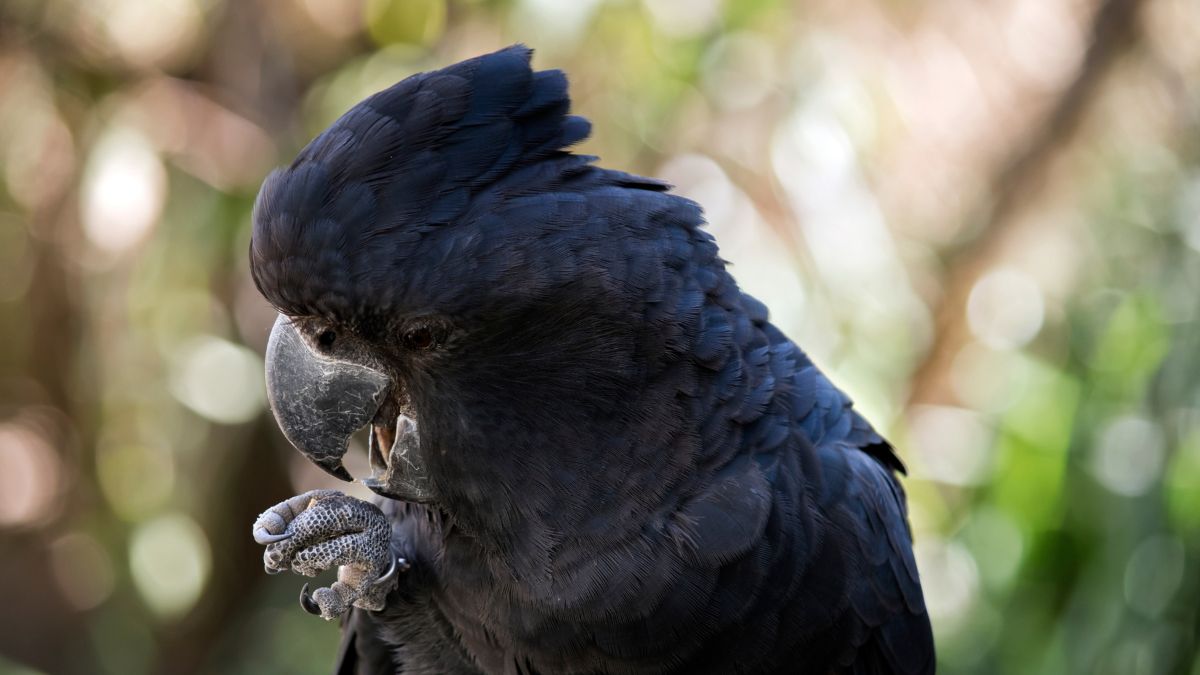
The Red-tailed Black Cockatoo (Calyptorhynchus banksii) is the black cockatoo species you’re most likely to encounter around Dundee Beach and throughout the Northern Territory.
While Australia is home to several black cockatoo species, including the Yellow-tailed and Glossy Black Cockatoo found further south and east, the Red-tailed Black Cockatoo is the iconic black cockatoo of the Top End.
Growing to around 60 centimetres long with an impressive wingspan, these birds are instantly recognisable in flight.
How to identify them
Male Red-tailed Black Cockatoos have:
- Glossy black feathers
- Bright scarlet red tail panels
- Dark grey beak
Females are slightly different, with:
- Yellow orange spots across the head and body
- Orange yellow barring on the chest
- Orange and yellow tail panels rather than bright red
Young birds resemble females before males develop their distinctive red tails.

Where to See Black Cockatoos Around Dundee Beach
One of the best things about visiting Dundee Beach is that you don’t have to go searching very hard. These Black Cockatoos in the Northern Territory favour a handful of reliable spots around Dundee Beach, so sightings are almost guaranteed if you visit the right areas.
Red-tailed Black Cockatoos are regularly seen throughout the area, particularly around:
- Dundee Beach township
- Dundee Forest
- Bynoe Harbour
- Fog Bay Road
- Coastal bushland
- Open woodland and paperbark country
It’s common to see small family groups feeding quietly in the trees before suddenly taking flight with loud, rolling calls that echo across the bush.
You’ll also often spot them feeding on the ground beside roads, particularly where fallen seed pods and native nuts are abundant.
Local Tip
If you’re driving along Fog Bay Road early in the morning, keep an eye on the roadside and nearby trees. Small family groups of Red-tailed Black Cockatoos are often feeding before the day heats up.
The Best Time to See Black Cockatoos
While Black Cockatoos in the Northern Territory can be seen throughout much of the year, they’re often easiest to notice during the Dry Season.
Early mornings are particularly special.
As the sun rises over the Top End, flocks leave their overnight roosts and begin travelling to feeding areas, their unmistakable calls carrying long distances through the still morning air.
Late afternoons are another excellent time, as birds return to roost before sunset.
Around July, it’s also common to see family groups with young birds learning to forage alongside their parents, making this a wonderful time for wildlife watching.
A Sound That Says You’re in the Top End
Many visitors remember hearing Red-tailed Black Cockatoos before they ever see them.
Their rolling, almost creaking calls drift across the bush and are part of everyday life around Dundee Beach. Combined with the sound of magpie geese, kookaburras and friarbirds, they’re one of the natural soundtracks of the Northern Territory.
If you’re sitting outside with a morning coffee or watching the sunset after a day on the water, don’t be surprised if a flock flies overhead, announcing their arrival long before they appear above the treetops.
It’s one of those simple moments that stays with you long after your holiday ends.
What Do Red-tailed Black Cockatoos Eat?
Black Cockatoos in the Northern Territory are specially adapted to cracking some of Australia’s toughest seeds.
Using their incredibly strong beaks, they feed on:
- Native eucalypt seeds
- Wattle seeds
- Pandanus
- Grevillea flowers
- Native nuts and seed pods
- Occasionally insects and larvae hidden inside timber
You’ll often see discarded seed husks scattered beneath their favourite feeding trees.
Their powerful beaks make surprisingly quick work of even the hardest seed pods.
Why Are They So Noisy?
If you’ve ever heard a flock overhead, you’ll know they’re impossible to ignore.
Their loud calls help family members stay together while flying between feeding and roosting sites across large distances.
Red-tailed Black Cockatoos usually remain in pairs or family groups, although several groups often combine into larger flocks when food is plentiful.
The constant calling helps maintain contact while moving through dense woodland, and it’s one of the clearest signs that Black Cockatoos in the Northern Territory are nearby.
More Than Just Beautiful Birds
Black Cockatoos in the Northern Territory play an important role in the Top End ecosystem.
As they feed, they help disperse seeds and naturally prune trees by removing seed pods and branches.
They’re also considered indicators of healthy woodland habitat. Seeing regular flocks around Dundee Beach is a reminder of just how much intact bushland still surrounds the region.
Protecting these habitats helps countless other native birds and animals thrive.
Respect Our Wildlife
Watching Black Cockatoos in the Northern Territory is one of the highlights of spending time around Dundee Beach.
If you’re lucky enough to come across them:
- Enjoy them from a respectful distance.
- Never feed native birds.
- Drive carefully, particularly along bush roads where birds may be feeding on the ground.
- Leave fallen logs, seed trees and natural bushland undisturbed wherever possible.
By respecting local wildlife and their habitat, we can help ensure future visitors enjoy the same unforgettable experience of hearing a flock of black cockatoos sweeping across the Top End sky.
Frequently Asked Questions
Are there Black Cockatoos in the Northern Territory?
Yes, Black Cockatoos in the Northern Territory are common, with the Red-tailed Black Cockatoo the most frequently seen species, found throughout Dundee Beach, Bynoe Harbour and the wider Top End.
Where can I see Black Cockatoos near Dundee Beach?
Look around Dundee Beach township, Dundee Forest, Bynoe Harbour and along Fog Bay Road, particularly during the early morning and late afternoon.
What time of day are Black Cockatoos most active?
Sunrise and late afternoon are generally the best times to spot Red-tailed Black Cockatoos as they travel between feeding areas and their evening roosts.
What do Red-tailed Black Cockatoos eat?
They feed mainly on native seeds, nuts, seed pods, flowers and occasionally insects hidden beneath bark.
Are Red-tailed Black Cockatoos protected?
Yes. Like all native Australian birds, Red-tailed Black Cockatoos are protected under Australian law. They should never be fed, disturbed or captured.
Explore More Dundee Beach Wildlife
If you love spotting native wildlife, keep an eye out for more articles in our Dundee Beach Wildlife Guide, where we’ll explore the incredible birds, reptiles, marine life and mammals that make this part of the Northern Territory so special.
Whether you’re visiting for a weekend of fishing, camping under the stars or simply enjoying the slower pace of life, taking the time to look up and listen might just reward you with one of the Top End’s most unforgettable wildlife experiences.

