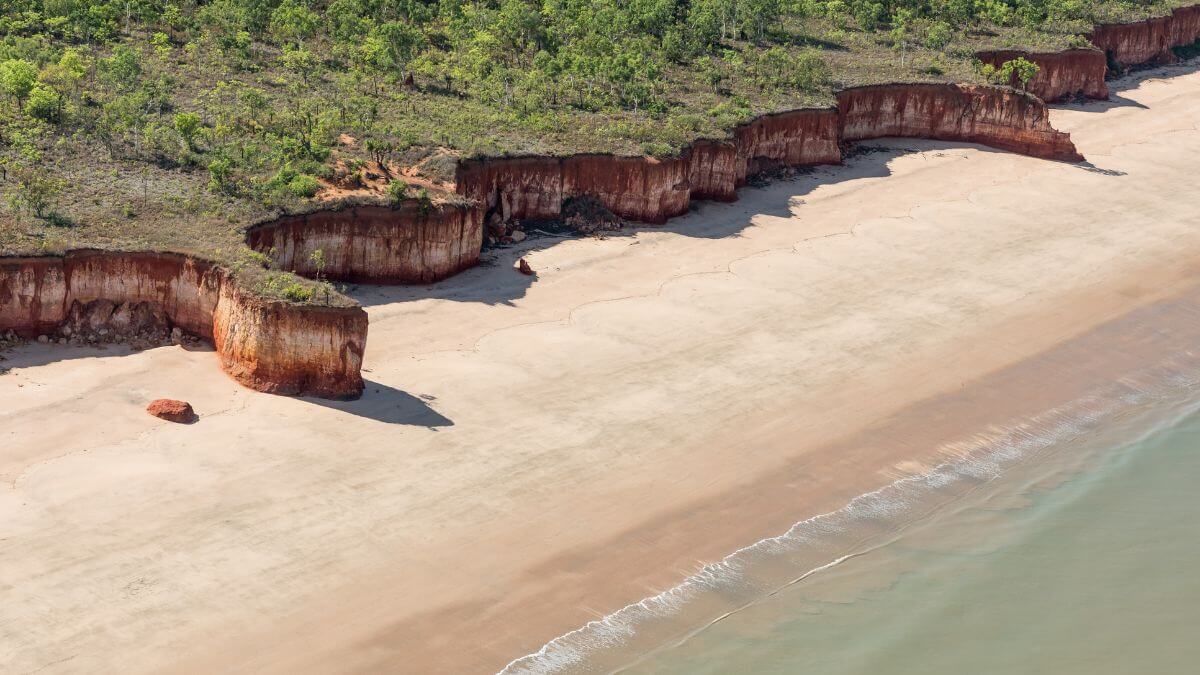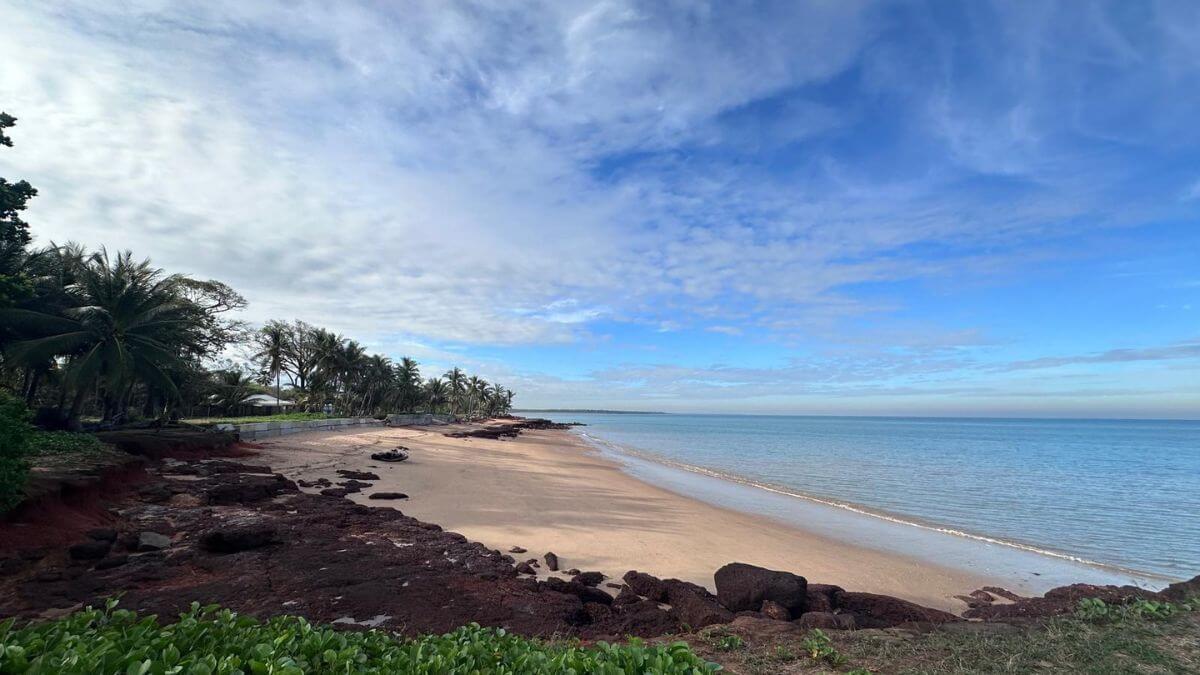

If you’re planning a trip to Dundee Beach & Bynoe, one of the biggest things to understand is how much the seasons shape the experience. We will share the best time to visit Dundee Beach depending on why you wish to visit.

The weather, fishing, camping conditions, tides, landscapes, and even road conditions can feel completely different depending on the time of year you visit.
Located around 1.5 hours from Darwin, the Dundee Beach, Bynoe Harbour, and Finniss River region is part of the tropical Top End, meaning the year is generally divided into three main seasons:
- the dry season
- the build-up
- the wet season
Each season has its own atmosphere and advantages depending on what kind of trip you’re looking for.
Dry Season at Dundee Beach (May to August)
For most visitors, the dry season is considered the best time to visit Dundee Beach.
Officially, the dry season begins around May, although the timing can vary slightly from year to year depending on the wet season.
This is when the humidity drops, the mornings become cool and comfortable, and the days are filled with clear blue skies and warm sunshine.
Dry season is popular for:
- camping
- fishing trips
- boating
- sunsets
- beach stays
- outdoor cooking and campfires
- escaping the southern winter
It’s also the busiest tourism period in the region, so accommodation and camping spots often book out early during school holidays, long weekends, and for fishing.

What the Dry Season Actually Looks Like
One thing visitors often misunderstand about the Northern Territory dry season is that by August, the landscape can look very dry and dusty.
People sometimes arrive expecting everything to still be lush and green like the wet season photos online.
But by this point, it may not have rained for months.
The grasses dry out, the bush changes color, and the landscape becomes rugged, dusty, and distinctly Top End in its own way. Bush fires are common and care must be taken.
For many locals, that dry, wild atmosphere is part of the beauty of the region.
The Build-Up Season (August to November)
By mid-August and into September, the build-up usually begins.
This is when the temperatures climb, the humidity starts returning, and the air feels heavier leading into the wet season.
The build-up can feel intense for visitors who aren’t used to tropical heat, especially during the middle of the day.
But it also has its own unique atmosphere:
- dramatic skies
- afternoon storms
- incredible sunsets
- lightning displays
- warm ocean temperatures
- quieter tourism periods
The build-up is raw, tropical, and powerful. Many locals actually love this time of year.
If you visit during the build-up:
- stay hydrated
- carry plenty of drinking water
- use sun protection
- plan ways to cool down during the hottest parts of the day
Mosquitoes and midges can also be more active around mangroves, mudflats, and river systems during humid weather, so insect repellent is highly recommended.
It’s the best time to visit Dundee Beach if you love storms, high humidity and heat.
Wet Season at Dundee Beach (November to April)
The wet season generally runs from November through to April.
This is when the tropical rains arrive across the Top End, transforming the landscape back into lush green country.
Heavy rainfall, storms, humidity, and flooding can all occur during this period.
Camping during the wet season can become uncomfortable due to heat, humidity, rain, and insects, so many visitors prefer accommodation stays instead.
Roads can occasionally go under during major rain events, although floodwaters on main access roads are usually cleared relatively quickly.
Travel plans during the wet season should always allow flexibility.

Cyclones in the Top End
Cyclones are part of life in Northern Australia and can develop during the wet season.
They form over very warm tropical ocean waters combined with humid air and favorable weather conditions.
Cyclones can bring:
- heavy rainfall
- strong winds
- flooding
- dangerous marine conditions
Some seasons are very active, while others may have very little cyclone activity at all.
Cyclones can develop as early as November and occasionally as late as April.
If visiting during wet season, it’s important to monitor Northern Territory weather forecasts and warnings regularly.
Best Time for Barramundi Fishing
The Dundee Beach & Bynoe Harbour region is well known for barramundi fishing, especially around the Finniss River.
The Finniss River in particular is renowned for barra fishing, with many fishing tours and charters operating throughout the area.
Fishing conditions vary throughout the year depending on:
- rainfall
- tides
- runoff
- water temperature
- river conditions
Many anglers specifically target the runoff period following the wet season, when baitfish and barramundi activity can increase dramatically.
Visitors can fish:
- from boats
- on fishing charters
- from beaches
- from the fishing platform near the boat ramp

Understanding NT Tides
The Northern Territory has very large tides compared to many other parts of Australia.
Tides can change quickly and significantly affect:
- fishing conditions
- boat access
- beach driving
- sandbars
- creek crossings
It’s important to understand local tide times before heading out, especially if boating or exploring remote coastal areas.
Visitors unfamiliar with NT tides can easily get stuck or stranded if they don’t plan properly.
Tips for Visiting Dundee Beach in Any Season
No matter what time of year you visit:
- bring plenty of fresh drinking water
- prepare for heat and sun exposure
- use insect repellent
- check weather forecasts regularly
- understand local tide conditions
- book accommodation early during peak periods
The Bynoe & Dundee Beach region is part of the wild tropical Top End. The seasons are intense, beautiful, and constantly changing, and that’s a big part of what makes the area so memorable. We think you’ll love it!